
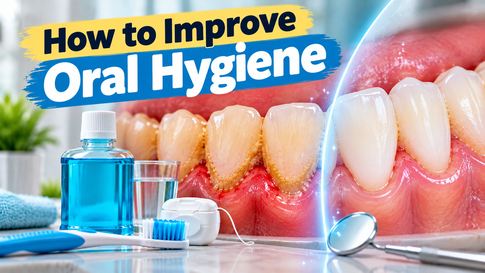
How to Improve Oral Hygiene: 10 Changes That Actually Make a Difference
If you want to know how to improve oral hygiene, the answer isn’t necessarily buying another toothpaste, mouthwash, whitening kit, or expensive electric toothbrush.
Most people already know they should brush twice a day and clean between their teeth. The real problem is that many people are doing these things without paying attention to how they are doing them.
You can brush every morning and night and still leave plaque around your gumline. You can floss every day and still miss important areas. You can use mouthwash regularly and still have bleeding gums or persistent bad breath.
Good oral hygiene is less about having a complicated bathroom routine and more about understanding where problems develop and changing the habits that actually affect them.
So, if you are wondering how to improve oral hygiene, start with these practical changes.
1. Stop Brushing Harder and Start Brushing Better
One of the easiest mistakes to make is assuming that more pressure means cleaner teeth.
It doesn’t.
Your toothbrush needs to remove plaque from the tooth surface and around the gumline. It does not need to scrub your teeth as though you are cleaning a kitchen counter.
A better technique is to use a soft-bristled toothbrush and hold it at roughly a 45-degree angle toward the gumline. Use gentle, short movements rather than aggressively scrubbing back and forth. Make sure you clean the outer, inner and chewing surfaces of your teeth.
Also slow down around areas people commonly rush:
- The inside of the lower front teeth
- The gumline
- The back molars
- The grooves on chewing surfaces
- Areas around crowns, bridges or braces
If the bristles of your toothbrush flatten immediately when you brush, you may be using too much pressure.
Better technique beats more force.
A powered toothbrush can also be useful, particularly if you struggle with consistency or brushing technique. However, buying an expensive electric toothbrush doesn’t automatically solve poor brushing habits.
2. Don’t Treat Fluoride Toothpaste as Optional
If preventing cavities is one of your priorities, fluoride deserves a permanent place in your oral hygiene routine.
Brushing isn’t only about physically removing food particles and plaque. Fluoride helps strengthen teeth and makes enamel more resistant to the acids produced when bacteria in plaque metabolize sugars.
That matters because repeated acid exposure can gradually damage enamel.
Choose a fluoride toothpaste appropriate for your age and dental needs instead of constantly switching products because a package promises “deep cleaning,” “detox,” or an exceptionally bright smile.
There is substantial evidence supporting fluoride toothpaste for preventing dental caries.
There is also a small habit many people overlook.
After brushing, don’t immediately wash everything away with a large amount of water. The idea is to leave fluoride in contact with your teeth rather than completely rinsing it off.
If you regularly develop cavities despite good brushing, ask your dentist whether you need a different fluoride concentration or additional preventive treatment rather than simply buying another brand of toothpaste.
3. Stop Thinking “Flossing” Is the Only Way to Clean Between Teeth
Here’s another common problem.
People know they should clean between their teeth, but many assume that traditional string floss is the only acceptable option.
It isn’t.
The important goal is to remove plaque from areas your toothbrush cannot properly reach.
Depending on your teeth and dental work, useful options can include:
- Traditional floss
- Dental tape
- Floss picks
- Interdental brushes
- Water flossers
- Specialized cleaning tools for braces or bridges
The right choice depends on the spaces between your teeth and your ability to use the tool effectively.
If you use string floss, don’t simply snap it down between your teeth and pull it straight back out.
Gently guide it between the teeth, curve it around one tooth in a C shape, and move it along the side of the tooth. Then repeat on the neighboring tooth.
That small change matters because the goal isn’t simply to remove a piece of food. You are disturbing plaque attached to the tooth surface near the gumline.
And if a particular area repeatedly hurts or bleeds, don’t assume the answer is to floss harder.
Get it checked.
4. Look at How Often Your Teeth Meet Sugar, Not Just How Much You Eat
If you frequently struggle with cavities, this is one area worth examining carefully.
People often ask:
“How much sugar do I eat?”
A better question can also be:
“How many times during the day are my teeth exposed to sugar?”
Bacteria in dental plaque can use sugars and fermentable carbohydrates to produce acids. Repeated exposure means repeated acid attacks on the teeth.
Imagine someone slowly sipping sweet tea throughout the afternoon while occasionally eating biscuits or sweets.
Even if the total amount doesn’t look enormous, the teeth are repeatedly exposed to the conditions that encourage acid production.
A more tooth-friendly pattern is to have sugary foods or drinks with a meal rather than constantly grazing or sipping sweetened drinks throughout the day.
This doesn’t mean you have to eliminate dessert.
It means giving your teeth fewer repeated sugar exposures.
That is a much more useful strategy than simply feeling guilty about eating one piece of cake.
5. Be Careful With Acidic Drinks
Sugar isn’t the only dietary problem.
Acidic drinks can also affect your teeth.
Soft drinks, energy drinks, fruit juices and other acidic beverages can contribute to enamel erosion, particularly when exposure happens frequently. Saliva normally helps neutralize acids and supports the natural repair process of the tooth surface.
One habit that deserves attention is slow sipping.
Drinking an acidic beverage quickly with a meal is very different from carrying the same drink around and taking small sips every few minutes for several hours.
The second pattern repeatedly exposes your teeth to acid.
So, if you regularly consume acidic drinks:
- Reduce how frequently you have them.
- Prefer water between meals.
- Don’t hold or swish acidic drinks around your mouth.
- Avoid making acidic beverages an all-day sipping habit.
And don’t automatically reach for your toothbrush immediately after an acidic exposure.
Acid can temporarily soften enamel, and aggressive brushing at the wrong time can add mechanical wear. If you frequently consume acidic drinks or have enamel sensitivity, ask your dentist about appropriate brushing timing.
6. Don’t Ignore Your Tongue When Bad Breath Is the Problem
If you brush your teeth properly but your breath still becomes unpleasant, look beyond your teeth.
Your tongue can accumulate microorganisms and debris, particularly toward the back. A coated tongue can contribute to bad breath, and research has found that adding tongue cleaning to toothbrushing can reduce tongue coating and measures associated with oral malodor.
You don’t need to scrape your tongue aggressively until it looks completely pink.
Gentle cleaning is enough.
Use a tongue scraper or the tongue-cleaning surface of an appropriate toothbrush and move it gently from the back toward the front.
If the tongue becomes painful, bleeds, or remains irritated, stop and have it evaluated.
More importantly, if bad breath continues despite good oral care, don’t keep buying stronger mouthwash.
Persistent bad breath can have different causes, including tongue coating, periodontal problems and other oral conditions.
Freshening the smell isn’t always the same as fixing the cause.
7. If Your Mouth Is Always Dry, Find Out Why
Dry mouth is easy to dismiss.
You might simply drink more water and move on.
But saliva is an important part of your mouth’s natural defense system. It helps clear food debris, neutralize acids and support the mineral balance of your teeth.
If you regularly wake up with a very dry mouth, need water while eating, or constantly feel that your mouth is sticky, pay attention.
Dry mouth can be associated with medications, dehydration, certain medical conditions and other factors.
If you suspect medication is responsible, don’t stop or change your medication yourself. Discuss the problem with your healthcare professional.
For some people, sugar-free chewing gum can stimulate saliva. Xylitol-containing gum has also been studied for potential benefits related to plaque and cavity prevention, although it should be considered an addition to—not a replacement for—fluoride toothpaste and mechanical plaque removal.
The bigger lesson is this:
Don’t treat dry mouth as merely an inconvenience.
Your saliva is doing important work.
8. Understand Your Oral Microbiome Instead of Trying to “Kill All Bacteria”
This is where oral health gets more interesting.
Your mouth isn’t supposed to be sterile.
It contains a complex community of microorganisms, and good oral health isn’t about destroying every bacterium that happens to live there.
This is where the oral microbiome becomes relevant.
The balance of microorganisms in your mouth is influenced by factors such as plaque accumulation, diet and the local environment. Changes in that environment can favor microorganisms associated with dental caries and periodontal disease.
This is one reason I would be cautious with marketing that suggests the goal of oral care is to “kill all bacteria.”
That’s not really the objective.
Instead, focus on creating an environment that makes good oral health easier:
- Remove excessive plaque.
- Use fluoride.
- Reduce frequent sugar exposure.
- Support normal saliva flow.
- Clean your tongue when appropriate.
- Keep the gums and areas between the teeth clean.
Think balance and prevention, rather than sterilization.
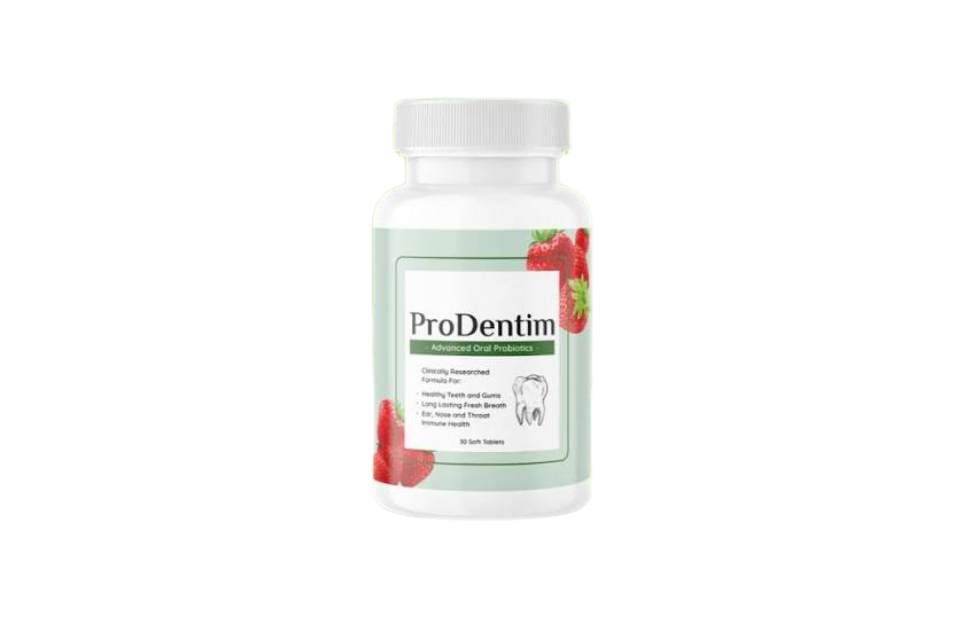
ProDentim
- Supports healthy teeth & firm gums
- Advanced oral probiotic blend
- Maintains long-lasting fresh breath
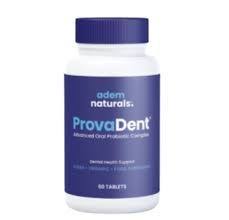
ProvaDent
- Supports oral wellness and microbiome
- Contains natural probiotic strains
- Promotes a cleaner, fresher mouth
9. Don’t Use Mouthwash to Hide a Problem
Mouthwash can have a useful role in certain situations, but it shouldn’t become your answer to every oral-health complaint.
If your gums bleed, mouthwash doesn’t replace proper plaque removal.
If your breath smells bad, mouthwash may make it smell fresher temporarily without addressing why the odor keeps returning.
And if you have a cavity, no mouthwash is going to brush the cavity away.
The same applies to hardened tartar.
Once plaque has hardened into calculus, you generally cannot simply rinse it away at home. Professional cleaning may be necessary.
Think of mouthwash as a supporting tool, not the foundation of your oral-care strategy.
If you’re unsure whether a particular mouthwash is appropriate for you, ask your dentist.
10. Know When Home Care Isn’t Enough
Perhaps the most important part of learning how to improve oral hygiene is knowing when you should stop trying to solve the problem yourself.
Good daily care can prevent and control many common oral-health problems.
But it cannot replace professional diagnosis when something is wrong.
Make a dental appointment if you experience:
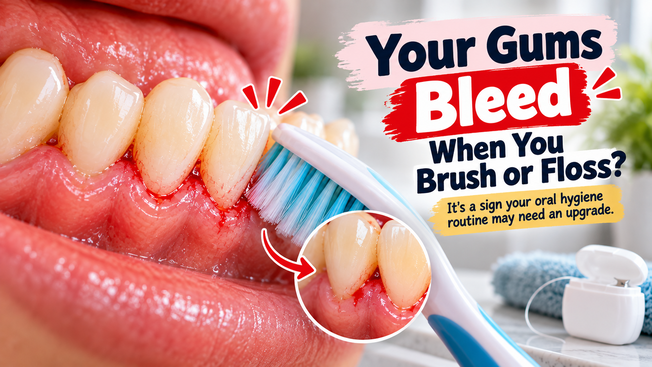
- Repeated bleeding from the gums
- Persistent bad breath
- Toothache
- Gum or facial swelling
- A loose adult tooth
- Pain when chewing
- Persistent sensitivity in one tooth
- A visible cavity
- Persistent mouth sores
- Significant gum recession
Don’t keep switching toothpaste or adding supplements while hoping the problem disappears.
Some dental conditions become more difficult to manage when treatment is delayed.
Also, don’t assume that everyone needs exactly the same dental-visit schedule. Your ideal frequency depends on your individual risk and dental history.
Advanced Support Solutions
Explore these additional specialized formulations designed to complement your daily dental health routine.
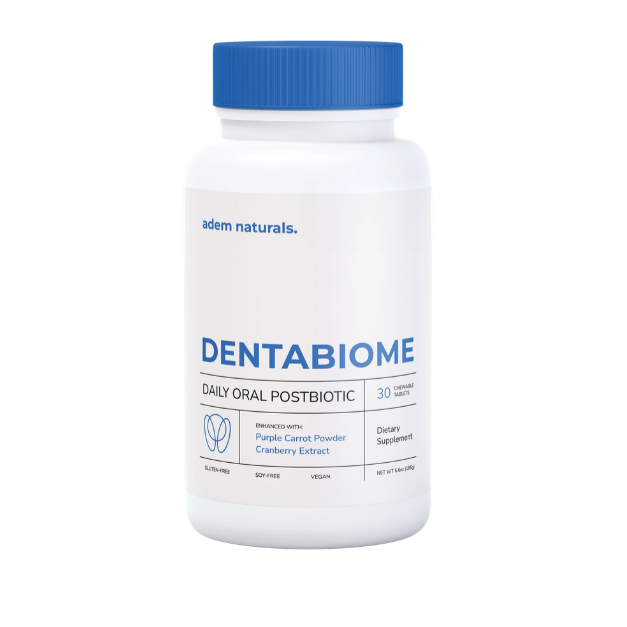
Dental Shield Formula
- Targeted enamel and gum defense
- Supports deep plaque removal support
- Promotes long-term oral vitality
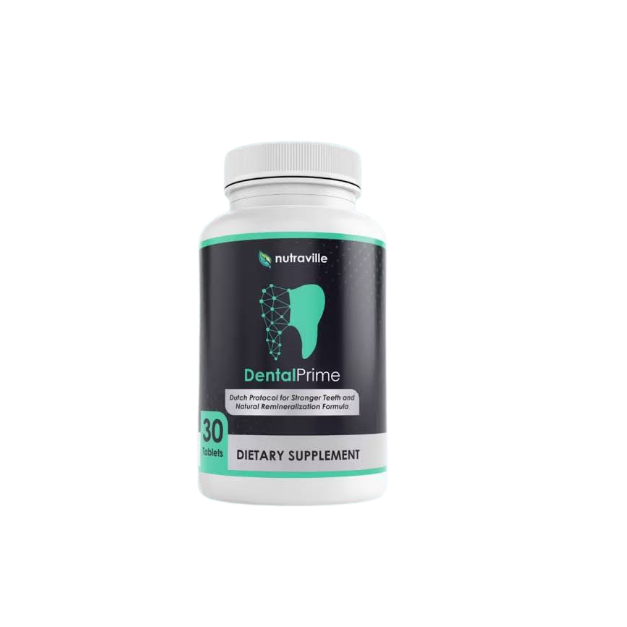
Dental Prime
- Advanced teeth whitening support
- Helps neutralize harmful mouth acids
- Freshens breath naturally from within
How to Improve Oral Hygiene Without Making Your Routine Complicated
Improving your oral health doesn’t mean adding ten new steps to your morning and nighttime routine.
Instead, identify your weakest point.
If your gums bleed, concentrate on your gumline and interdental cleaning.
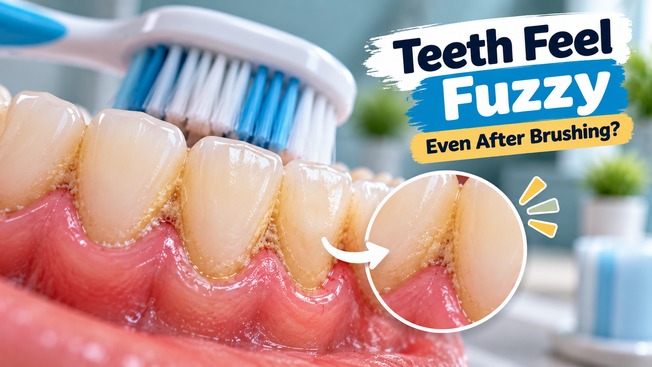
If your teeth feel fuzzy after brushing, examine your brushing technique and the areas you repeatedly miss.
If cavities keep coming back, look beyond brushing and examine fluoride exposure, sugar frequency, acidic drinks and dry mouth.
If bad breath is your main concern, pay attention to your tongue, gums, plaque and saliva instead of simply reaching for another mint.
If your teeth are sensitive, consider acid exposure, brushing pressure, gum recession and possible dental disease.
And if you are already doing all of these things but something still doesn’t feel right, that’s when a dental examination becomes more useful than another internet tip.
The Bottom Line
The best answer to how to improve oral hygiene isn’t a miracle product.
It is understanding what your mouth actually needs.
Use a soft toothbrush and better technique instead of excessive pressure. Make fluoride toothpaste part of your routine. Clean between your teeth using a tool that actually works for your mouth. Reduce frequent sugar and acid exposure. Keep your tongue clean when necessary. Pay attention to dry mouth. Understand that your oral microbiome is an ecosystem rather than something that needs to be completely eliminated.
Most importantly, don’t use oral-care products to hide symptoms that need professional attention.
Healthy teeth and gums aren’t created by having the biggest collection of products on your bathroom shelf.
They come from consistent, intelligent habits—and knowing when something needs more than home care.
Curious about how the top oral health solutions compare?
ProvaDent vs ProDentim – Which One Is Right for You?