
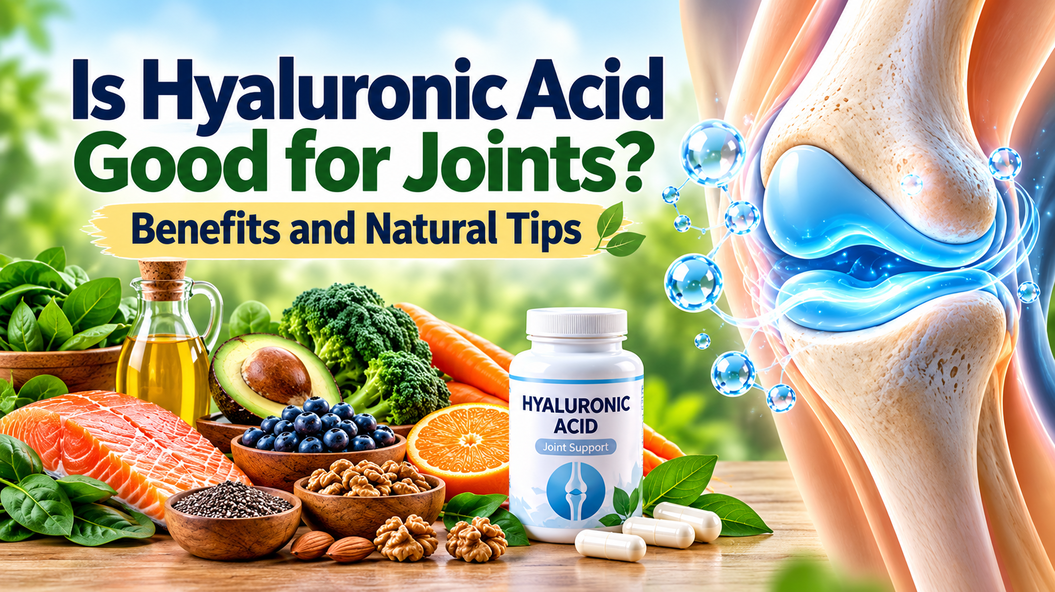
Is Hyaluronic Acid Good for Joints? What You Need to Know
Joint pain can make even simple activities feel difficult. Climbing stairs, getting out of bed, walking for exercise, or standing after sitting for a long time may become uncomfortable. For people experiencing these problems, finding a way to improve joint comfort without relying entirely on pain medication can become a priority.
One substance that often comes up in conversations about joint health is hyaluronic acid. Known for its ability to retain water, hyaluronic acid is naturally present in the body, including the skin, eyes, and synovial fluid that helps lubricate movable joints.
But is hyaluronic acid good for joints, and can it actually help people experiencing stiffness, discomfort, or age-related joint changes?
The answer depends on the form of hyaluronic acid being considered, the underlying cause of the pain, and the available scientific evidence. Although it plays an important role in normal joint function, taking a supplement or receiving an injection does not guarantee pain relief. Understanding how it works can help you make a more informed decision about protecting your joints.
Key Takeaways at a Glance
- Natural Component: Found in synovial fluid to reduce friction and support cartilage environment.
- Injections & Supplements: Injections have mixed clinical recommendations; oral supplement evidence remains limited.
- Not a Cure: Does not regenerate damaged cartilage or reverse osteoarthritis on its own.
- Comprehensive Care: Best combined with low-impact activity, strength, hydration, and weight management.
What Is Hyaluronic Acid, and Why Do Joints Need It?
Hyaluronic acid, also called hyaluronan, is a naturally occurring substance that belongs to a group of molecules known as glycosaminoglycans. One of its most important properties is its ability to attract and hold water.
Inside movable joints, hyaluronic acid is a component of synovial fluid, the thick liquid found within the joint capsule. This fluid helps reduce friction between joint surfaces, supports smooth movement, and contributes to the environment in which cartilage functions.
Hyaluronic acid also helps cartilage maintain its water content and contributes to the tissue’s ability to withstand mechanical stress.
Healthy joints rely on several structures working together, including cartilage, bones, muscles, ligaments, and synovial fluid. Hyaluronic acid supports this system, but it is only one part of the picture.
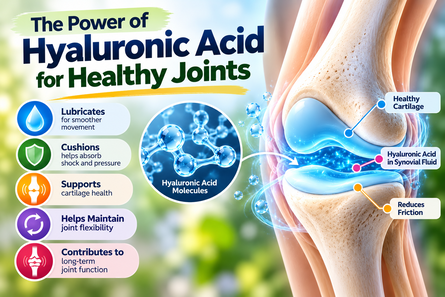
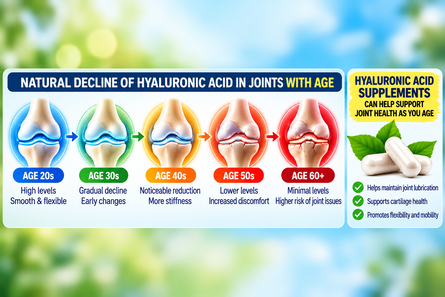
As people age or develop osteoarthritis, the amount, molecular properties, and function of hyaluronic acid in synovial fluid can change. The fluid may become less effective at providing its normal lubricating and cushioning properties.
These changes can contribute to joint discomfort, but they are not the only cause. Cartilage damage, inflammation, muscle weakness, previous injuries, and excess pressure on weight-bearing joints can also play important roles.
Is Hyaluronic Acid Good for Joints? What Does Science Say?
Hyaluronic acid has a legitimate biological role in joint health. However, evidence that it supports normal joint function is not the same as evidence that a particular supplement or treatment can relieve joint pain.
The research is most commonly discussed in relation to osteoarthritis, a condition in which the tissues within a joint gradually change and the protective cartilage deteriorates.
There are three main approaches to consider: hyaluronic acid injections, oral supplements, and lifestyle measures that support overall joint health.
1. Hyaluronic Acid Injections for Osteoarthritis
Hyaluronic acid injections, sometimes called viscosupplementation, are designed to introduce a hyaluronic acid preparation directly into a joint. They are most commonly discussed for knee osteoarthritis.
The treatment aims to supplement the joint’s lubricating fluid. Some patients report improvements in pain or mobility after receiving injections, but clinical studies have produced mixed results.
The American College of Rheumatology and Arthritis Foundation’s osteoarthritis guideline conditionally recommends against hyaluronic acid injections for knee osteoarthritis and strongly recommends against them for hip osteoarthritis. Other professional guidance has differed, particularly regarding selected patients whose symptoms persist despite other treatments.
The National Institutes of Health also notes that the evidence of benefit is limited and that treatment decisions should be discussed with a healthcare professional.
What does this mean for someone with joint pain? Hyaluronic acid injections are not a guaranteed solution, and they should not automatically be considered the next step after discomfort begins. A clinician can help determine whether they are appropriate after assessing the diagnosis, symptom severity, previous treatments, and alternatives.
2. Oral Hyaluronic Acid Supplements
Oral hyaluronic acid supplements are marketed for joint comfort, mobility, and general connective-tissue support. Some small clinical studies have investigated whether taking hyaluronic acid by mouth can improve symptoms in people with knee discomfort or osteoarthritis.
However, the evidence remains limited. Studies vary in size, duration, formulation, and participant characteristics, making it difficult to draw firm conclusions about how well these products work.
Researchers are also studying how orally consumed hyaluronic acid is digested, absorbed, and processed by the body. It should not be assumed that swallowed hyaluronic acid travels directly into a painful joint and replaces what has been lost.
If you are considering a joint pain supplement, look for transparent ingredient information, reliable manufacturing standards, and evidence relevant to the actual product. Discuss it with a healthcare professional if you take medication, have an ongoing medical condition, or are preparing for surgery.
3. Hyaluronic Acid and Cartilage Protection
Hyaluronic acid for joint health is often promoted as a way to rebuild cartilage, restore joint cushioning, or reverse damage caused by osteoarthritis. However, these claims need to be viewed carefully.
Although hyaluronic acid plays an important role in maintaining cartilage hydration and supporting synovial fluid, current scientific evidence does not establish that oral hyaluronic acid supplements can regenerate damaged cartilage or reverse osteoarthritis. Some treatments may help relieve joint discomfort, but reducing pain does not necessarily mean the underlying joint damage has been repaired.
For people considering hyaluronic acid for joint support, the most practical approach is to maintain realistic expectations and focus on proven strategies, including regular low-impact exercise, muscle-strengthening activities, balanced nutrition, and maintaining a healthy body weight. These measures can help support mobility and joint function over time.
Joint Genesis Review
Read MoreWhy Do People Need Support for Joint Pain?
Joint pain can develop for several reasons, and identifying the cause is an important first step toward choosing the right treatment.
- Age-related changes: With age, cartilage and other joint tissues can change, making stiffness and discomfort more common.
- Osteoarthritis: This condition affects the entire joint, including cartilage, bone, and surrounding tissues. Symptoms may include pain during activity, stiffness after rest, and reduced mobility.
- Previous injuries: Sports injuries, falls, and repetitive strain can contribute to persistent joint problems, sometimes years after the original injury.
- Excess body weight: Additional weight increases mechanical stress on the knees and hips. Weight management can help reduce that load.
- Muscle weakness and inactivity: Weak muscles may provide less support around joints. At the same time, avoiding movement because of pain can gradually reduce strength and flexibility.
- Inflammatory conditions: Rheumatoid arthritis and other inflammatory disorders can cause joint pain, swelling, warmth, and stiffness. These conditions require appropriate medical assessment and may need disease-specific treatment.
Understanding the cause matters because not every painful joint needs hyaluronic acid. In some cases, targeted exercise, medication, physical therapy, or treatment of an underlying condition may be more appropriate.
When Should You Consider Hyaluronic Acid for Joint Health?
If joint pain is interfering with daily activities, it is worth seeking medical advice rather than assuming that low hyaluronic acid levels are responsible.
You may want to discuss hyaluronic acid with a healthcare professional if:
- You have persistent knee discomfort or stiffness and have been diagnosed with osteoarthritis.
- You want to understand whether an oral supplement is a reasonable addition to your current joint-care routine.
- Other approaches, such as exercise modification and physical therapy, have not provided enough relief.
- You are considering an injection and want to understand its likely benefits, limitations, costs, and risks.
For osteoarthritis, treatment usually starts with measures such as appropriate physical activity, strengthening exercises, weight management when needed, and pain-relief options selected according to individual circumstances.
An injection may occasionally be discussed when symptoms remain troublesome, but it is important to understand that professional recommendations differ and the evidence for meaningful benefit is limited.
Seek prompt medical assessment if a joint suddenly becomes severely painful, hot, red, or markedly swollen, especially if you have a fever. These symptoms can indicate an infection or another urgent condition. Significant pain following an injury or an inability to bear weight also warrants prompt evaluation.
How to Support Hyaluronic Acid Levels Naturally
A common question is whether diet and lifestyle can help the body maintain healthy hyaluronic acid levels.
The body produces its own hyaluronic acid. Its production and turnover are influenced by biological processes, age, and tissue health. There is currently no established diet that reliably raises hyaluronic acid specifically inside the joints or reverses age-related joint changes.
Nevertheless, a balanced lifestyle can support the tissues and systems involved in joint function.
1. Eat Foods That Provide Vitamin C
Vitamin C is essential for collagen synthesis. Collagen is a major structural protein in cartilage and other connective tissues.
Although vitamin C is not a proven way to increase joint hyaluronic acid directly, getting enough of it supports normal connective-tissue maintenance.
Useful food sources include:
- Guava
- Amla, where available
- Oranges and lemons
- Papaya
- Tomatoes
- Bell peppers
For a practical daily approach, include a serving of vitamin C-rich fruit and vegetables alongside your usual meals rather than relying on a single so-called superfood.
2. Include Protein-Rich Foods
Protein supplies amino acids that the body uses to maintain muscles and other tissues. Strong muscles are particularly important because they help support the joints and improve movement control.
Eggs, fish, milk, yogurt, lentils, beans, chickpeas, and lean meat can all contribute to protein intake.
For people with joint discomfort, adequate nutrition is especially useful when combined with resistance exercises or physiotherapy. However, eating more protein than your body needs has not been shown to directly raise joint hyaluronic acid levels.
3. Eat a Variety of Vegetables and Fruits
A varied diet provides vitamins, minerals, and other nutrients involved in normal tissue maintenance.
Carrots, leafy greens, pumpkin, papaya, guava, and other locally available produce can help create a balanced eating pattern.
Some foods, including soy products and certain animal-derived foods, contain compounds related to hyaluronic acid or its building blocks. However, there is insufficient clinical evidence that eating these foods increases hyaluronic acid in human joints to a level that relieves pain.
The aim should be overall nutritional adequacy, not trying to obtain hyaluronic acid from a particular food.
4. Stay Properly Hydrated
Hyaluronic acid binds water, which contributes to its role in synovial fluid and other tissues.
Drinking enough water helps maintain normal hydration, but there is no strong evidence that drinking extra water beyond your needs increases hyaluronic acid levels in the joints or treats osteoarthritis.
Your fluid requirements depend on factors such as activity, climate, diet, and health. In hot weather, including the conditions common in Bangladesh, fluid needs may increase with sweating.
Drink regularly throughout the day and follow medical advice if you have a condition that requires fluid restriction.
5. Exercise Regularly Without Overloading Your Joints
Exercise is one of the better-supported approaches to managing osteoarthritis symptoms.
Low-impact activities such as walking, cycling, swimming, and water-based exercise can help maintain mobility. Strengthening exercises can improve the muscles surrounding the affected joints, while balance exercises may help reduce the risk of falls.
If movement causes discomfort, start at a manageable level and increase gradually. A physiotherapist can recommend exercises suited to your condition.
Exercise does not need to be intense to be useful. Consistency matters more than pushing through significant pain.
6. Maintain a Healthy Body Weight
If you carry excess weight, gradual weight loss may reduce pressure on the knees and hips. It can also make daily movement more comfortable.
Weight management is not about achieving a particular appearance. It is about reducing unnecessary mechanical stress and making it easier to remain active.
A sustainable approach includes balanced meals, regular movement, adequate sleep, and realistic goals rather than restrictive diets.
7. Avoid Smoking and Prioritize Recovery
Smoking is associated with poorer health outcomes and can negatively affect several aspects of tissue health. Avoiding tobacco is a sensible part of an overall joint-care strategy.
Sleep and recovery also matter. Poor sleep can make chronic pain harder to manage, while excessive training without adequate recovery may aggravate symptoms.
These habits do not guarantee healthy hyaluronic acid levels, but they support a broader strategy for maintaining function and managing discomfort.
Hyaluronic Acid Supplements vs. Natural Joint Care
Choosing between a supplement and lifestyle changes does not have to be an either-or decision. The important question is which approach is most likely to help with your particular problem.
| Approach | Potential role | Evidence and limitations |
|---|---|---|
| Oral hyaluronic acid | Possible symptom support | Early research is limited; benefits are not established |
| Hyaluronic acid injections | Intended to supplement joint fluid | Mixed evidence; recommendations differ |
| Strength training | Improves muscle support and function | Well-supported for osteoarthritis management |
| Low-impact aerobic exercise | Supports mobility and physical function | Recommended as part of osteoarthritis care |
| Balanced nutrition | Supports normal tissue maintenance | Important for general health, but no specific diet is proven to restore joint hyaluronic acid |
| Weight management, when appropriate | Reduces stress on weight-bearing joints | Can improve symptoms and function |
The strongest practical approach is to prioritize evidence-based joint care and treat supplements as optional rather than essential.
How Long Does Joint Genesis Take to Work?
Read MoreAre Hyaluronic Acid Supplements Safe?
Safety depends on the formulation, dose, product quality, and individual medical circumstances.
Oral supplements may cause side effects, and long-term safety information for some formulations is limited. Product ingredients and manufacturing quality can also vary.
Hyaluronic acid injections have different risks, including temporary pain, swelling, or inflammation around the injection site. Rare but serious complications, such as joint infection, are possible.
Before starting a supplement or arranging an injection, speak with a qualified healthcare professional if you are pregnant or breastfeeding, take regular medication, have significant medical conditions, or have a history of reactions to similar products.
Do not discontinue prescribed arthritis medication or delay an appropriate assessment because a supplement is advertised as a natural solution.
Frequently Asked Questions
Is hyaluronic acid good for joints as you get older?
Hyaluronic acid is important for normal joint lubrication throughout life. However, evidence that oral supplements improve age-related joint discomfort remains limited. Regular physical activity, muscle strengthening, and appropriate management of osteoarthritis are better-established starting points.
Can hyaluronic acid rebuild damaged cartilage?
There is no convincing clinical evidence that taking hyaluronic acid supplements rebuilds damaged cartilage or reverses osteoarthritis. Its role in normal cartilage and synovial fluid should not be confused with proven cartilage regeneration.
How long does it take for hyaluronic acid supplements to work?
There is no reliably established timeline because studies of oral supplements are limited and use different formulations. Be cautious of products promising rapid or guaranteed relief. If you try a supplement after discussing it with a clinician, agree on a reasonable review period and stop if you experience concerning side effects.
What is the best natural way to support joint health?
A combination of regular, appropriate exercise, adequate protein and micronutrient intake, sufficient hydration, healthy weight management when needed, and good sleep provides a practical foundation. No particular food or home remedy has been proven to restore joint hyaluronic acid.
Are injections better than oral supplements?
The two approaches deliver hyaluronic acid differently, so they should not be treated as equivalent. Injections place a preparation directly into a joint, whereas oral supplements must pass through the digestive system. Neither approach guarantees meaningful pain relief, and evidence for both should be considered in the context of the specific treatment and condition.
Final Thoughts: Is Hyaluronic Acid Good for Joints?
So, is hyaluronic acid good for joints? Yes, it has an important natural role in maintaining the properties of synovial fluid and supporting normal cartilage function. But whether a supplement or injection improves joint pain is a separate question, and the current evidence does not support universal claims of effectiveness.
For someone struggling with stiff knees, uncomfortable movement, or osteoarthritis, the most sensible next step is to identify the underlying cause and choose a treatment based on the best available evidence.
Focus first on regular movement, strengthening exercises, balanced nutrition, appropriate hydration, and weight management when needed. If pain continues to interfere with daily life, seek professional advice about additional options.
Hyaluronic acid may be worth discussing in selected circumstances, but it should not be presented as a guaranteed fix or a replacement for established joint care. The goal is not simply to increase one substance in the body; it is to maintain mobility, manage pain, and preserve the ability to carry out everyday activities.